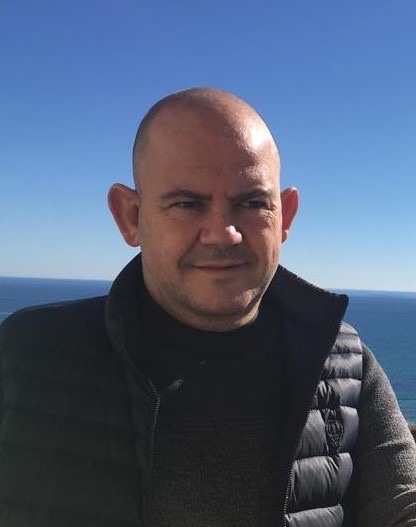
Ángel F. Mohedano has a PhD in Chemical Engineering from the Complutense University of Madrid. He is a professor of Chemical Engineering at the Autonomous University of Madrid. He carried out research stays at Penn State University, the Autonomous University of Mexico and the University of Nevada, Reno. His research focuses on waste-to-energy and biomass pre-treatment for bioenergy, water/wastewater treatment by aerobic physical, chemical and biological processes, and environmental catalysis.
Dr. Mohedano is an expert in the use of hydrothermal carbonization as a waste valorization strategy. So far he has addressed the study of hydrothermal carbonization of a wide range of biowastes, paying attention to the operating conditions of the carbonization process to obtain a hydrochar with potential application as solid fuel, soil amendment or as a precursor of activated carbons. He has also addressed the study of process water from HTC by anaerobic digestion or aqueous phase reforming. He has studied the recovery of nutrients from biowastes by HTC and has evaluated the life cycle analysis of the integration of hydrothermal carbonization in a water resource recovery facility.
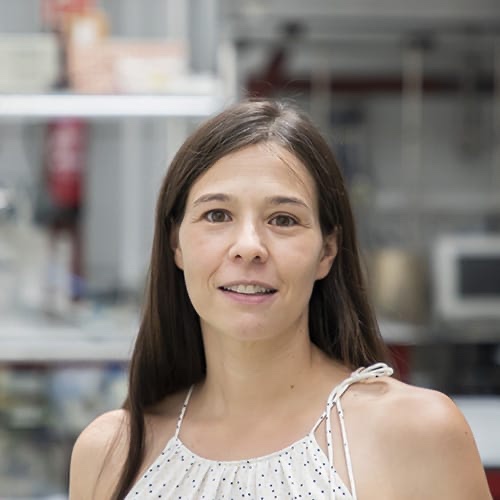
Dr. Elena Diaz obtained an Environmental Science degree (2004) and PhD in Chemical Engineering (2009) from the University Autonoma de Madrid and joined the Chemical Engineering Department in 2005. She is integrated in an active research team working in areas of environmental technologies focused on wastewater treatment by means of advanced catalytic and biological processes and waste recovery. She has also worked in the preparation and application of carbon materials from biomass wastes for water treatment and in waste-to-energy conversion and biomass pretreatment for bioenergy. In recent years, her research has focused on hydrothermal carbonization of biomass waste coupling to anaerobic digestion and/or dark fermentation to carry out the valorization of waste from a material (synthesis of biocarbon, soil improvers, nutrient recovery, synthesis of fertilizer) and energetic (solid biofuel, biogas, biohydrogen) point of view. She has carried out research stays in Heriot-Watt University (Edinburgh), Penn State University and Universidad Autonoma de Mexico.
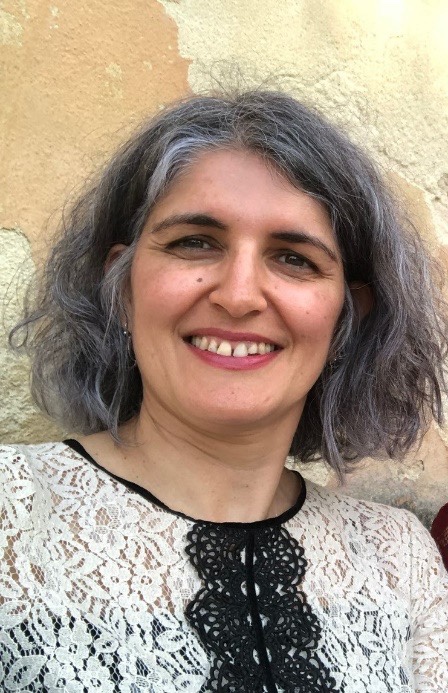
Angeles de la Rubia is Associate Professor at the Universidad Autonoma de Madrid (Spain). She has been involved in more than 40 research projects in subjects related to anaerobic digestion, wastewater, natural water, composting and hydrothermal carbonization. Her line of work has focused on anaerobic digestion with large experience in sewage sludge and wastewaters, currently its research is focused on hydrothermal carbonization for organic waste valorisation.
Our work has focused on energy recovering of the two fractions obtained after hydrothermal carbonization of different organic wastes (sewage sludge, digestate, cow manure, swine manure, poultry litter, microalgae, garden and park waste).
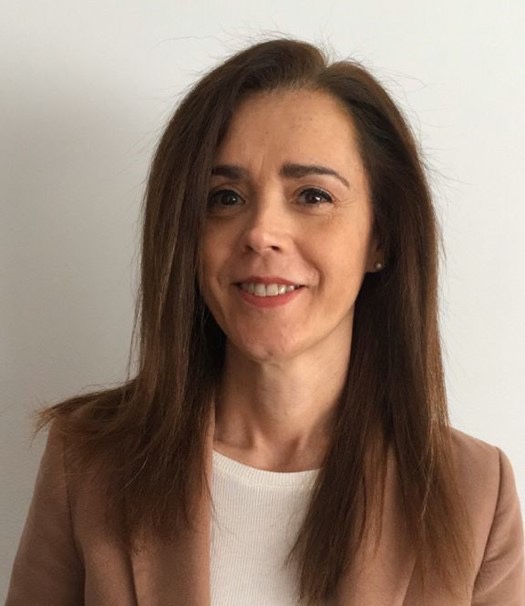
Montserrat Tobajas is the head of the Chemical Engineering Department at Universidad Autónoma de Madrid (UAM). Her research focuses on wastewater treatment using integrated chemical and biological oxidation processes and on material valorization (biochar, soil amendment) and energy recovery of biomass waste through hydrothermal carbonization coupled with anaerobic digestion within a circular economy context. She participated in a research project in the United States co-directed by the University of California San Diego (UCSD) and the Naval Research and Development group (NRAD) for two years, focused on Development of ex-situ biotreatment processes for PAHs in marine sediments and dredge spoils using bioreactors. She has been involved in 30 competitive research projects and contracts with companies. She has co-authored 31 papers in scientific journals, 5 book chapters and has given more than 60 presentations in international conferences.
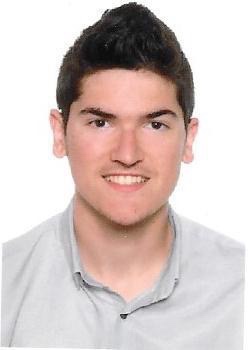
Andres Sarrion is a PhD student of Chemical Engineering at the Autonoma University of Madrid. He received a bachelors degree in Chemical Engineering from the Complutense University of Madrid (2015) and a Masters in Chemical Engineering from the Autonoma University of Madrid-Rey Juan Carlos (2017). He was Visiting Associate in the Department of Civil & Environmental Engineering at the University of South Carolina during 2021, under the supervision of Dr. Nicole D. Berge. His research has been focused chiefly on biomass waste management by hydrothermal and biological treatment for nutrient and energy recovery. Andres has previous experience as research assistant at the Materials Sciences Institute of Madrid (ICMM-CSIC), the Agriculture Research National Institute of Madrid (INIA), and the Institute of General Organic Chemistry of Madrid (IQOG-CSIC) where he focused on the management and characterization of Nanocellulose as a component of clay-based new materials, and graphene-based advanced materials, combined with metals and metal oxide nanoparticles. He is the author of 5 articles indexed in Scopus and has 12 conference contributions, mostly as oral communications.
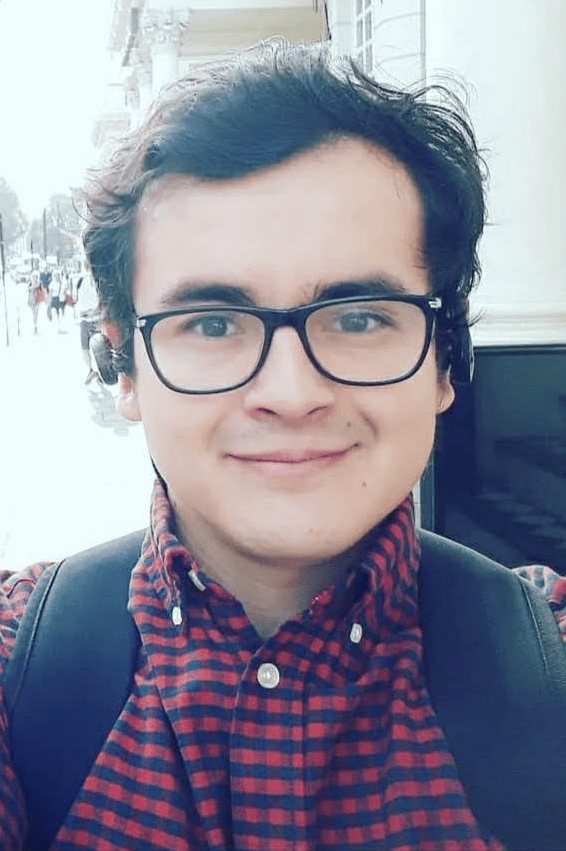
Ricardo Paul Ipiales Macas (R. P. Ipiales) is a Ph.D. student in applied chemistry at the Autonomous University of Madrid and works in the BioSolutions area of the Arquimea-Agrotech Group. R. P. Ipiales earned his bachelor’s and master’s degrees in chemistry engineering from Chimborazo Polytechnic University (Ecuador) and Autonomous University of Madrid (Spain), respectively. His research interest is comprehensive valorization of biomass through biological and thermochemical technologies, including hydrothermal carbonization and anaerobic digestion. He is focused on organic waste, wastewater treatments, valorization and the production of high value-added products.
Mario Perez Diez is a PhD Student of Chemical Engineering at the Autonoma University of Madrid. He received a degree in Chemical Engineering in Complutense University of Madrid (2017) and completed a Masters degree in Chemical Processing at the Complutense University of Madrid (2019).
His research is mainly focused on Biohydrogen and Volatile Fatty Acids production from the hydrothermal carbonization process water of different types of wastes. His previous research focused on Liquid-Liquid extraction of contaminants from industrial wastewater as part of his master’s final project and Catalytic reforming on CEPSA’s Research center as part of a research stay.

Inés Sanchis is a PhD Student of Chemical Engineering at the Autonoma University of Madrid. She received a degree in Environmental Science from the Autonoma University of Madrid (2015) and earned a Masters in Agro-environmental Technology for Sustainable Agriculture from the Polytechnic University of Madrid (2016). She visited the Chemical Engineering Department at the University of Nevada, Reno during 2022, under the supervision of Dr. Charles Coronella. Her research has been focused on the preparation of activated carbons from lignocellulosic wastes to use them as catalyst support for the catalytic reduction of nitrate and as adsorbent for polluted water treatment. She is the author of 7 articles indexed in Scopus and she has 13 contributions in national and international conferences.
 Chemical Engineering at unr